Residential tile installation
Residential floors, entries, kitchens and measured layouts.
Residential tile installation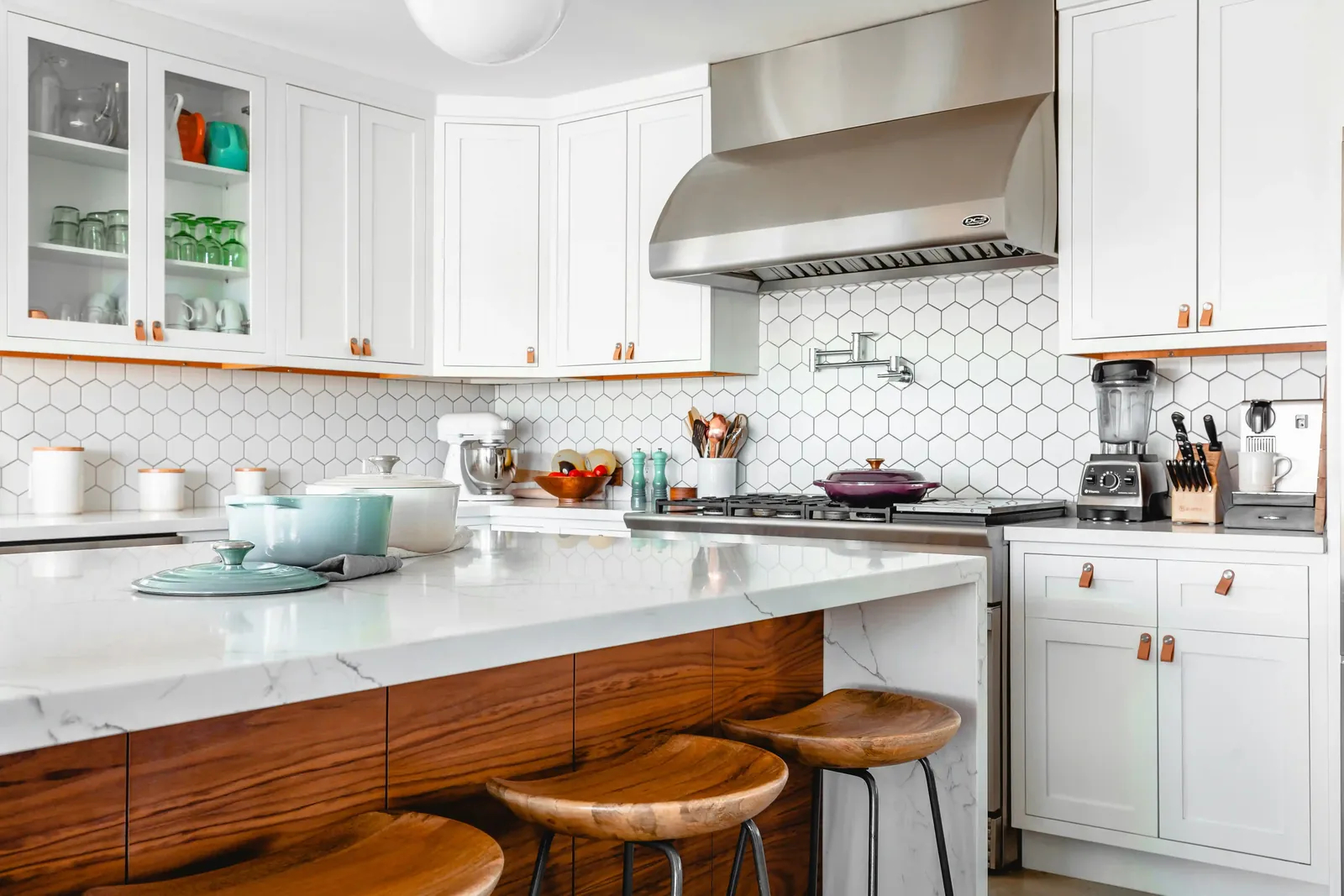
Old tile, mortar and adhesive come off first. What is underneath decides the next step. A sound subfloor may only need scraping and leveling. Damaged board or water staining has to be repaired before new tile goes down.
Removal is dusty and loud. Tell us which nearby rooms are in use and which way materials can come in and out, so we can plan protection and cleanup around them.
Pulling off an old backsplash often tears the drywall paper behind it. Patching that wall, or replacing a section of it, is part of the prep, since new tile needs a flat and sound surface.
New tile is rarely the same thickness as the floor it replaces. At each doorway the difference is handled with a reducer or transition strip, so check the height next to wood floors before you settle on a tile thickness.
Grout color changes how a floor reads. A close match lets the tile carry the look, and a contrasting grout outlines every piece. Look at samples in the room under its own light. Choose trim for exposed tile edges and a transition strip for each doorway at the same time, so nothing gets substituted halfway through.
Examples from the project index.
| Photo | Project | Room | Tile and pattern | Town |
|---|---|---|---|---|
| White hexagonal kitchen backsplash | Kitchen | White hexagonal backsplash tile with dark grout | Chicago area |
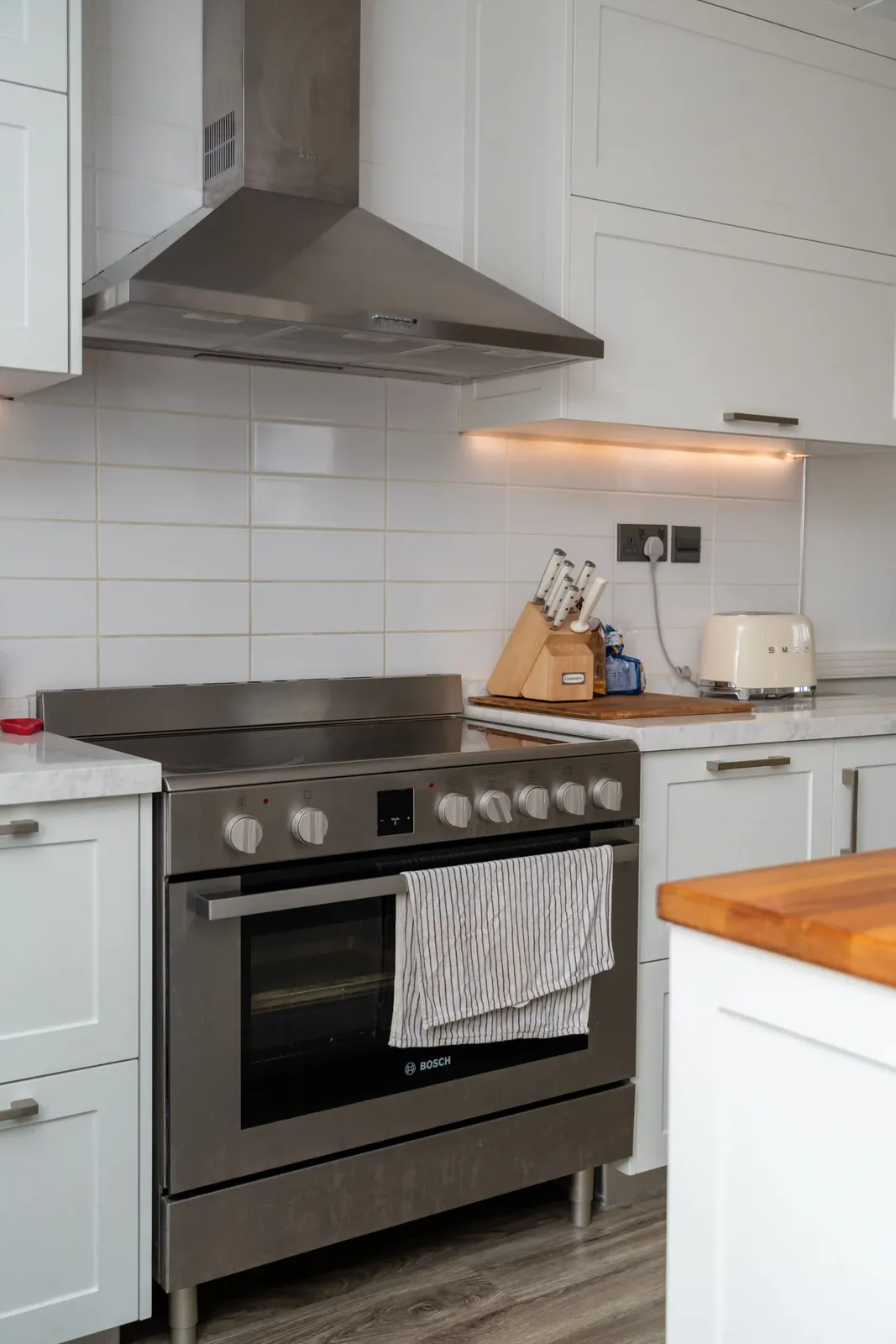 | White rectangular tile kitchen backsplash | Kitchen | White rectangular backsplash tile with light grout | Chicago area |
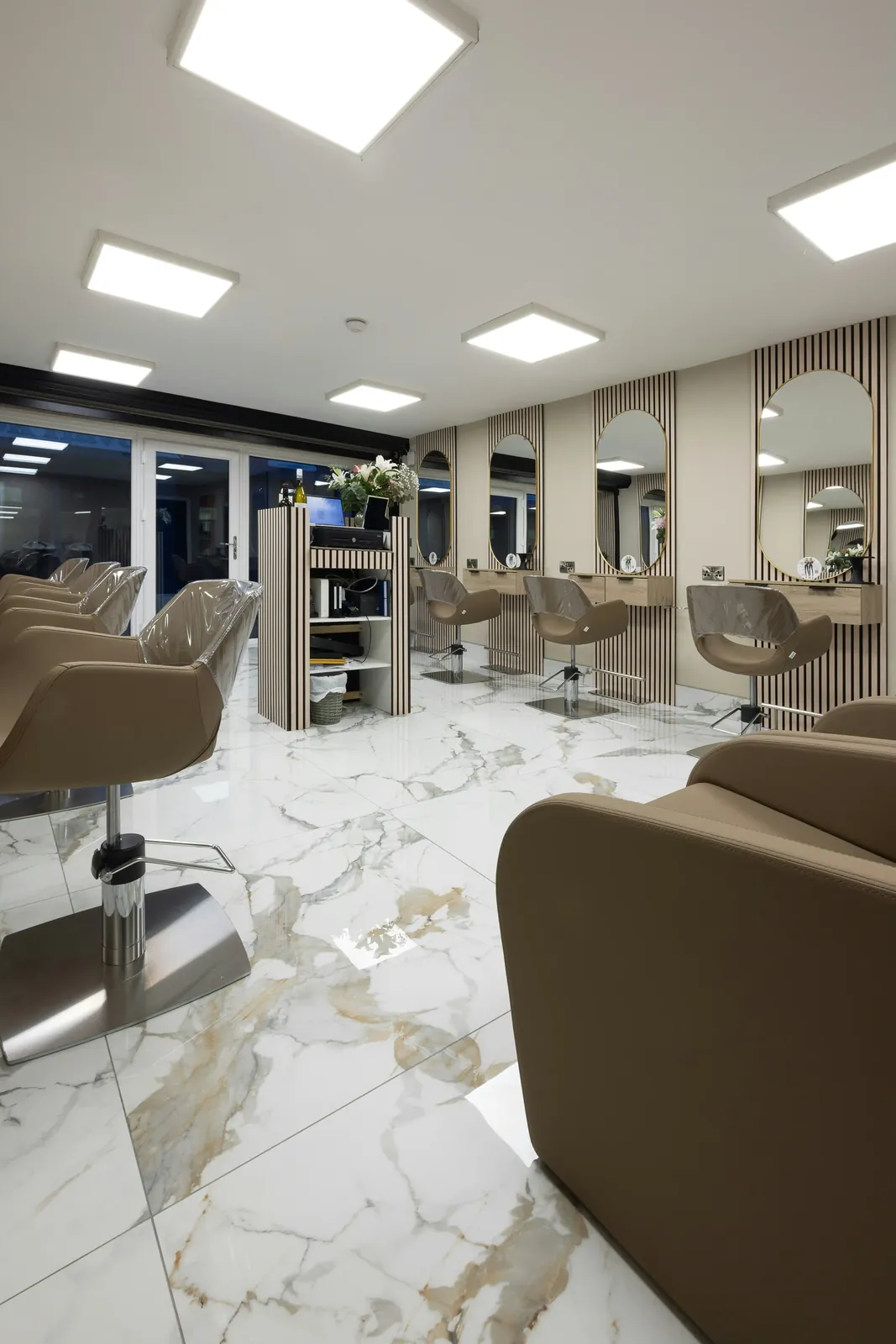 | Hair salon with veined white floor tiles | Hair salon | glossy white floor tiles with gray and tan/gold veining | Chicago area |
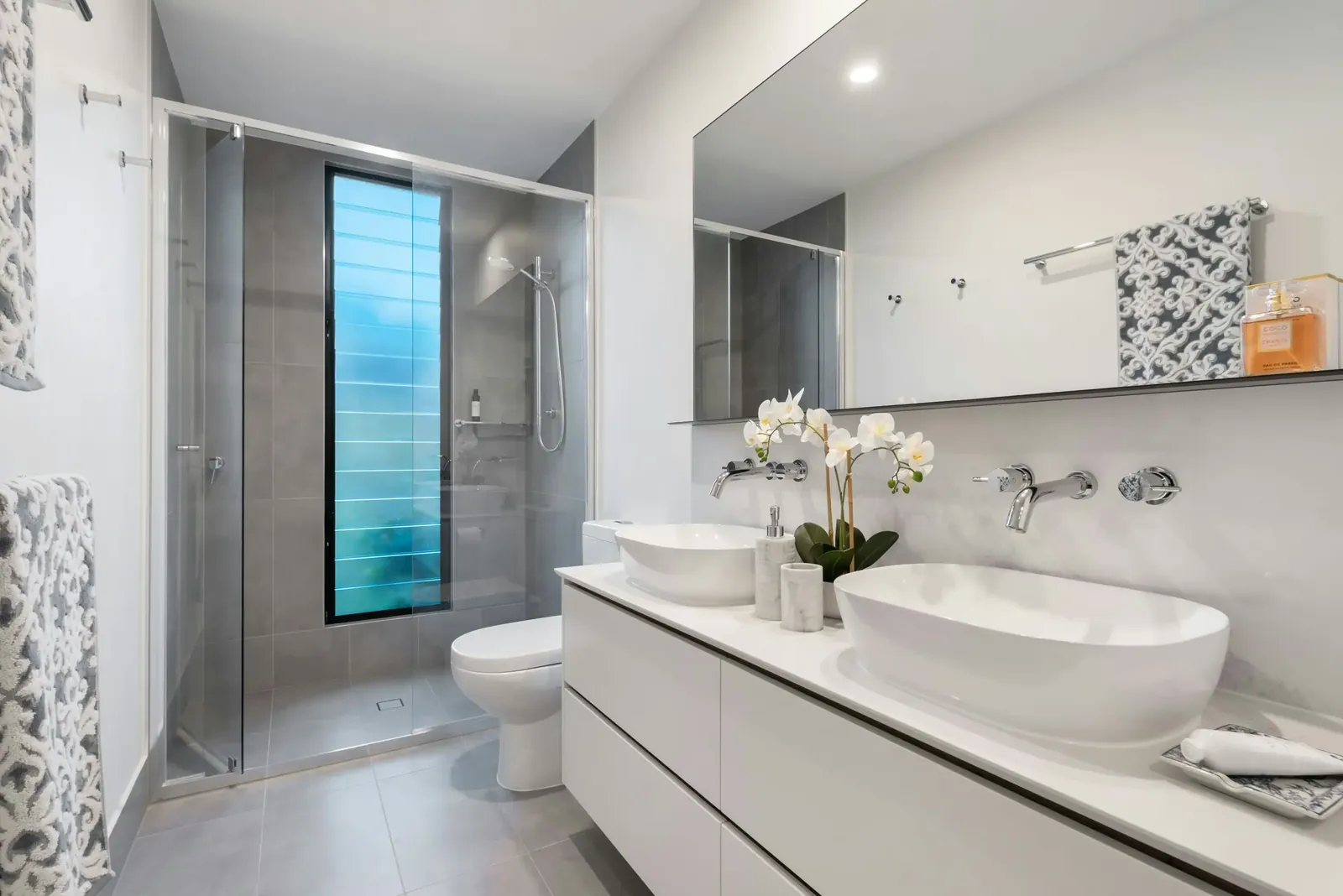 | White bathroom with gray floor tiles and a narrow window | Bathroom | Gray rectangular floor tiles | Chicago area |
Residential floors, entries, kitchens and measured layouts.
Residential tile installationTile surfaces planned around durable, usable rooms.
Commercial tile installationWalls, floors, shower surfaces, niches and benches.
Bathroom and shower tileDemolition, substrate checks, leveling and a clean starting plane.
Tile removal and floor prepOnly if the proposal lists it. Ask for removal, disposal and floor prep as separate lines so you can see what each part covers.
Pick them together, since the trim profile and grout color have to suit the tile. The proposal should say who supplies each item.
Yes. Store a few spare pieces and write down the grout brand and color. They make a future repair far easier to match.
Tell us what is coming out and what is going in.
(872) 217-9211[email protected]